3D Icon Design for Modern Digital Projects
In an era where digital interfaces compete for attention in milliseconds, the visual language of a website or application must communicate instantly and effectively. This is where the role of high-quality 3D icon assets becomes critical. While flat design has dominated the web for over a decade, there is a growing shift toward depth, texture, and realism. These elements are not merely aesthetic choices; they serve functional purposes that enhance user experience, guide interaction, and elevate brand perception. For professionals ranging from freelance designers to marketing managers, understanding how to leverage these assets can significantly impact the success of digital projects.
The Evolution of Visual Communication
Visual communication has always been central to human cognition. We process images far faster than text, and icons act as universal shorthand for complex actions or concepts. The transition from two-dimensional, minimalist icons to three-dimensional representations reflects a broader desire for authenticity and tactile feedback in digital spaces. A well-crafted 3D icon provides a sense of weight and presence that flat vectors often lack. It mimics the physical world, making digital interactions feel more intuitive and grounded.
This evolution matters because it directly influences how users perceive reliability and quality. When a user encounters a polished, realistic interface element, it subconsciously signals that the underlying product or service is equally refined. For entrepreneurs and small business owners, this distinction can be the difference between a project that feels like a prototype and one that feels like a finished, professional product. The use of creative 3D icons allows creators to tell a richer story without relying on lengthy explanations or excessive copy.
Practical Benefits for Web Design and Templates
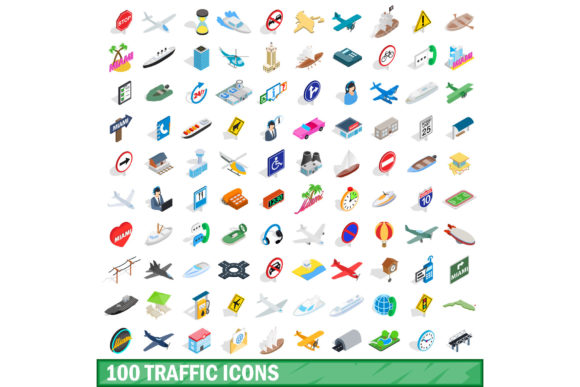
One of the most immediate applications of 3D iconography is in web design and template creation. In these contexts, space is premium real estate. Designers must convey functionality clearly while maintaining visual appeal. A simple illustration from a creative package collection, such as a set of 3D icons, offers a versatile solution. These assets can be used to highlight key features on a landing page, serve as navigation aids, or act as decorative elements that break up dense blocks of text.
Consider the scenario of a SaaS company launching a new dashboard. Instead of using generic arrows or dots to indicate progress, a team might employ a series of 3D step indicators. These icons not only guide the user through the workflow but also add a layer of engagement that keeps the user interested. The depth and lighting in these graphics draw the eye naturally, reducing cognitive load by making the interface hierarchy obvious. This leads to improved usability and higher conversion rates, as users can navigate the site with greater confidence and less effort.
Enhancing Infographics and Data Presentation
Data visualization is another area where 3D icons shine. Infographics require a balance of information density and readability. Traditional charts and graphs can sometimes appear dry or intimidating. Integrating relevant 3D symbols can soften the presentation and make data more approachable. For educators and bloggers, this means the ability to explain complex topics in a way that resonates with a wider audience.
For instance, a financial blogger explaining investment portfolios might use 3D icons representing stocks, bonds, and real estate. These tangible representations help readers visualize abstract financial concepts. The visual metaphor provided by a 3D asset is stronger than a flat line drawing because it triggers associations with real-world objects. This connection aids memory retention and makes the content more shareable. When readers find content visually compelling, they are more likely to engage with it, share it on social media, and return for future insights.
Brand Identity and Logo Vector Graphics
While logos are typically static, the trend of incorporating 3D elements into brand identities is gaining traction, especially among tech startups and creative agencies. A 3D logo or accompanying icon set can give a brand a modern, innovative edge. However, this requires careful execution. The goal is not to create a gimmick but to reinforce brand values such as creativity, precision, and forward-thinking.
For freelancers and marketers building a personal brand, having access to a cohesive set of vector graphics allows for consistent branding across various platforms. Whether it is a favicon, a social media avatar, or a header image, 3D icons provide a unique signature that distinguishes a creator from the crowd. The ability to edit these vector graphics ensures that the brand colors and style can be adapted to different contexts while maintaining a unified look. This flexibility is invaluable for professionals who need to maintain a strong visual presence across multiple channels.
Technical Advantages: EPS and JPG Formats
The practical utility of any digital asset depends heavily on its format and ease of use. The availability of both EPS and JPG files in a creative package addresses the needs of different workflows. EPS (Encapsulated PostScript) files are vector-based, meaning they can be scaled to any size without losing quality. This is essential for print materials, large banners, or any situation where resolution independence is required. Designers can manipulate the paths, colors, and shapes within the EPS file to perfectly match their project’s specific requirements.
On the other hand, JPG files offer convenience for quick integration into web projects, presentations, or social media posts. They are universally supported and easy to embed. Having both formats ensures that the asset is versatile enough for both detailed editing and rapid deployment. This dual-format approach saves time, allowing creators to switch between high-fidelity editing and fast publishing without needing to convert files manually or compromise on quality. For busy professionals, this efficiency is a significant advantage, enabling them to focus on strategy and content rather than technical hurdles.
Who Benefits Most from These Assets?
While 3D icons have broad appeal, certain groups stand to gain the most from integrating them into their workflows. Marketers and advertisers benefit from the heightened engagement these visuals drive. By using eye-catching 3D illustrations in ad creatives, they can improve click-through rates and capture attention in crowded feeds. Educators and trainers can use these icons to simplify complex instructional materials, making learning more accessible and enjoyable.
Entrepreneurs and small business owners often wear many hats, including designer. Access to pre-made, high-quality 3D icon packages allows them to achieve a professional look without hiring a dedicated graphic designer. This democratization of design tools empowers non-designers to create polished marketing materials, websites, and presentations. Hobbyists and publishers also benefit by adding a touch of professionalism to their blogs and newsletters, helping them build credibility and trust with their readers.
Considerations and Best Practices
Despite their advantages, 3D icons are not a one-size-fits-all solution. Overuse can lead to visual clutter, distracting users from the core content. It is important to use these assets strategically, ensuring they complement rather than compete with the primary message. Consistency is key; mixing different styles of 3D rendering—such as photorealistic, cartoonish, and metallic—can create a disjointed experience. Selecting a cohesive package helps maintain a unified aesthetic.
Additionally, performance considerations should not be ignored. High-resolution 3D images can increase page load times if not optimized properly. Using SVG versions of vector icons where possible, or compressing JPGs appropriately, ensures that the visual benefits do not come at the cost of site speed. Users expect fast-loading websites, and optimizing assets is a crucial part of responsible web design. By balancing visual richness with technical efficiency, creators can deliver an exceptional user experience that supports their goals and strengthens their communication.